What to Expect from a Wellness Stay at Salotto Della Sorgente
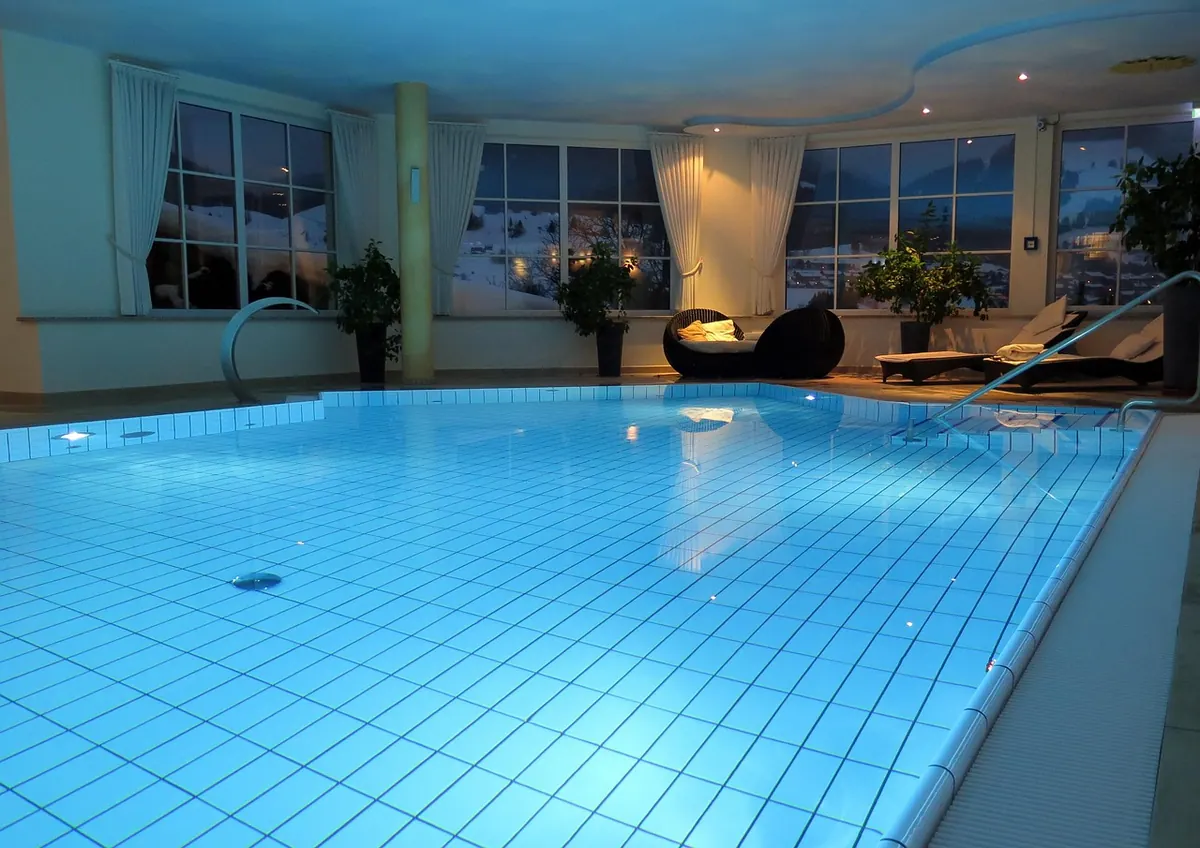
A wellness stay is not a spa afternoon stretched over three days. It has its own tempo — slower than a city break, more deliberate than a lazy weekend by a pool. Knowing that tempo in advance is the difference between spending your first morning working out where things are and settling in within the hour. What follows is a plain description of how a wellness visit to Salotto Della Sorgente tends to run: the arrival, the daily rhythm, the spaces, the treatments, and what you can reasonably expect to be included. Details shift with the season and with the package you choose, so confirm specifics when you book — but the overall shape of the experience stays reassuringly consistent.
Arrival: The First Hour Sets the Pace
Plan to arrive with time to spare rather than sliding in at the last minute. The first hour is not administration; it is a transition, and it works better when it isn't rushed. Check-in is straightforward — a welcome drink, a short conversation about what you're hoping to get from the stay, and a key. That conversation matters more than it sounds. Say plainly whether you want to be booked solid or left largely alone. Neither answer is wrong, and the team will build your schedule around it.
You'll be shown the main spaces: changing rooms, the relaxation area, the water facilities, the treatment rooms, and the exit to any outdoor grounds. Ask where the drinking water is and where towels are collected. Small things, but you will need them repeatedly.
Then comes the useful part of the first hour: sitting down with the treatment list and reserving your slots for the whole visit. Evenings and mid-mornings fill first. If a particular treatment is the reason you came, book it before you unpack. After that, put the phone on silent and, ideally, in the room. Most guests find that the hardest twenty minutes of the entire stay — and the most valuable.
The Rhythm of a Day
Wellness stays work best when the day has a shape rather than a schedule. Expect something closer to a gentle pattern than a timetable of activities you must attend.
Morning
Mornings tend to be quiet and physical. Water facilities, stretching, a walk outside, a light breakfast, and — for early risers — the first treatment of the day. If you have booked a massage, a mid-morning slot usually works well: your body is awake but not yet tired from the afternoon. Coffee is available, but many guests find they drink less of it here simply because the day starts with less urgency.
Afternoon
This is where the main treatment usually sits, followed by rest. Genuinely rest — not resting while answering messages. The relaxation room, a lounger outside, a book you've been meaning to open. The temptation is to fill the time with a second treatment and a third. Resist it. One substantial treatment and one smaller one is a sensible daily ceiling for most people; beyond that, the benefits blur into fatigue.
Evening
Dinner is earlier and lighter than you might expect. Afterwards there is little programmed entertainment, and that is deliberate. A short walk, a long bath, an early night. Guests who treat the first evening as a chance to catch up on sleep usually get far more from the following two days.
The Spaces You'll Use
Facilities vary by package, but a wellness-focused visit generally gives you access to the following, either throughout your stay or during set hours:
- Water facilities — pool, whirlpool or thermal-style bathing, plus a cool-down area. Sessions are often timed to keep numbers comfortable.
- Relaxation rooms — recliners, blankets, low light and a strict quiet rule. This is the room most guests underestimate and then use most.
- Treatment rooms — usually five to eight in number, which is why booking ahead matters.
- A sauna or steam room, with the usual guidance on session length and cooling down between rounds.
- Changing and shower facilities, with lockers for day guests and robes for overnight ones.
- Outdoor space — a garden, terrace or walking path, weather permitting.
- A quiet lounge or library with tea and water available without asking.
What you will not usually find: loud music, screens in the relaxation areas, or staff encouraging you to add one more thing to your day. The atmosphere is intentionally understated.
Treatments: What's Usually on the Menu
Treatment menus tend to fall into three groups, and knowing which you want saves a great deal of indecision.
Hands-on bodywork covers massage in its various forms — relaxing, deep tissue, lymphatic-style drainage, and targeted work on back, shoulders and legs. If you are unsure, say so at booking and describe what your body actually feels like: desk-bound shoulders, tight calves from running, a stiff lower back. A good therapist will match technique to that description rather than to a label on the menu.
Water-based treatments use heat, cold and buoyancy — whirlpool sessions, jet treatments, alternating warm and cool immersions. These are usually shorter than a massage and work well as a second treatment in a day rather than a replacement for one.
Quiet and restorative sessions might include guided relaxation, breathing work, or simply a supervised rest period. They sound like nothing much on paper and often turn out to be the appointment guests remember.
Two practical notes. First, if you are pregnant, managing a medical condition, recovering from injury or surgery, or taking medication that affects circulation or skin, speak to your doctor before booking heat treatments or deep bodywork, and tell the therapist at check-in. Second, a treatment is not a medical consultation. Therapists can work around a problem, but they are not there to diagnose it.
Food, Drink and the Question of Doing Nothing
Meals on a wellness stay lean towards vegetables, grains, fish and fruit, with portions that leave you comfortable rather than full. Expect water and herbal teas to be available all day without charge, and alcohol to be either absent or deliberately limited. If you have dietary requirements, mention them at the time of booking rather than at the table — kitchens plan ahead far better than they improvise.
The hardest part of the stay for most guests is the empty hour. There will be one, probably on the second afternoon, when you have no appointment and nothing to attend. Sit with it. That hour is not a gap in the programme; it is the programme.
Before You Arrive: A Short Checklist
- Book treatments with the reservation, not after. Ask which slots are already taken and build around them.
- Pack for the facilities — swimwear, flip-flops, a refillable bottle. Robes and towels are normally provided for overnight guests; day guests should confirm.
- Bring loose clothing for after treatments and comfortable shoes for walking.
- Tell the team about injuries, allergies and dietary needs before you arrive, not at the treatment room door.
- Decide in advance how connected you want to be. If you need to check messages once a day, pick a time and stick to it.
Ask when you book what your specific package includes — some rates cover treatments and meals, others cover access to the facilities only, and the difference matters. And if you are travelling for a health reason rather than simply to rest, take your doctor's advice on what is appropriate before you commit. With that sorted, the rest is mostly a matter of arriving, slowing down, and letting the day take its shape.
Photo: moerschy / Pixabay